søren peter mørch

falsifian (www.falsifian.org)

James Cook. Time-space trader and software hipster.

falsifian (www.falsifian.org)

@lyse Oops, I guess the new text is a bit obscure. If you follow the link, the text is a bit more explicit, but you still need to know what a lexical scope is. Anyway, this is part of Perl moving very carefully toward being UTF-8 by default while also not breaking code written in the 90s. If you name a recent version like "use v5.42;" then Perl stops letting you use non-ASCII characters unless you also say "use utf8;". The "lexically" part basically means that strictness continues until the next "}", or the end of the program. That lets you fix up old code one block at a time, if you aren't ready to apply the new strictness to a whole file at once.
In reply to: #nioi2ha 7 months ago
falsifian (www.falsifian.org)

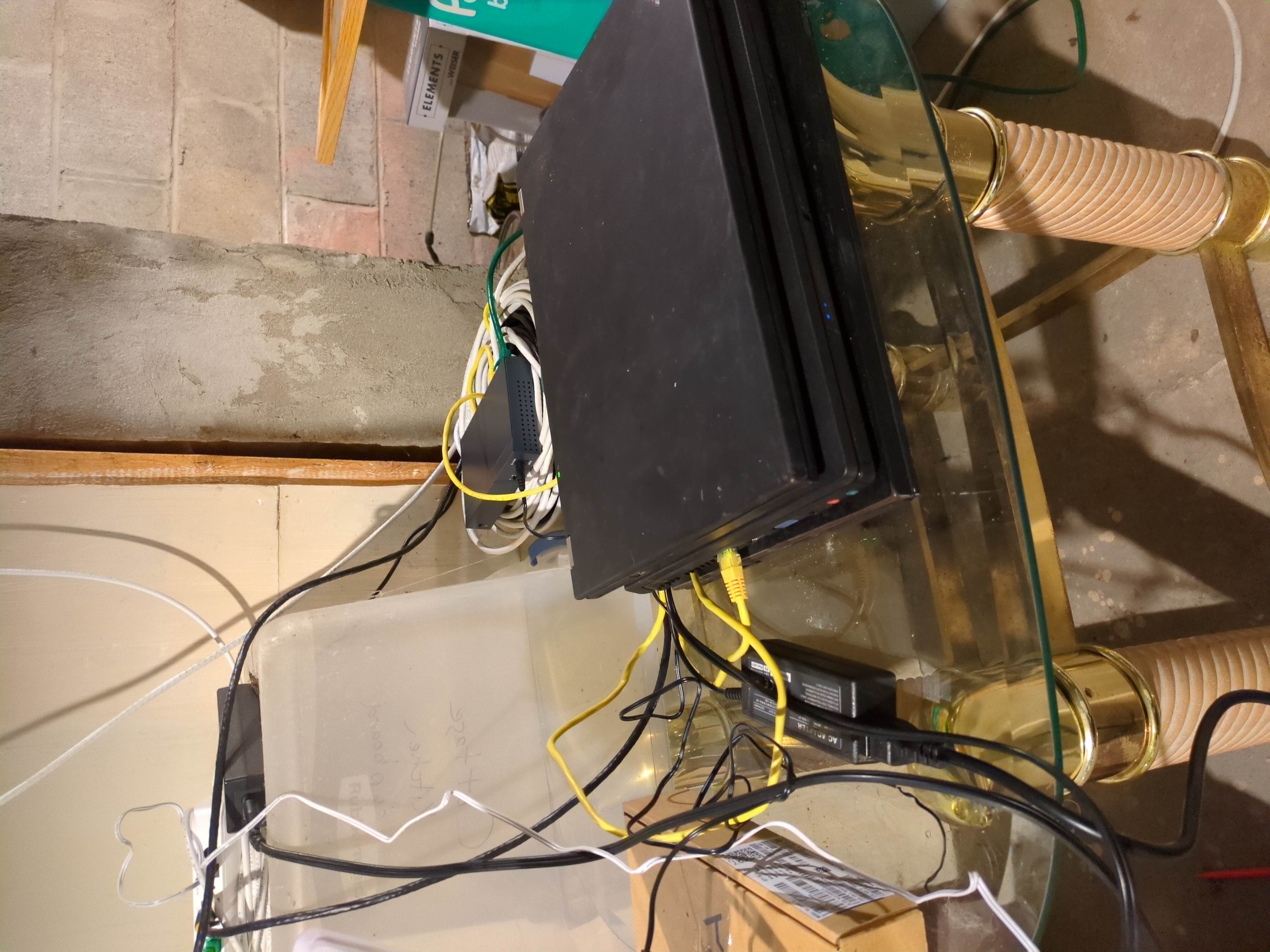
@prologic Here's mine. A pile of three laptops, a switch and a fibre modem connected by ethernet cables, sitting on a table in an unfinished basement.

In reply to: #jb5qaka 1 year ago
falsifian (www.falsifian.org)

@lyse I am a big fan of "obvious" math facts that turn out to be wrong. If you want to understand how reusing space actually works, you are mostly stuck reading complexity theory papers right now. Ian wrote a good survey: https://iuuk.mff.cuni.cz/~iwmertz/papers/m23.reusing_space.pdf . It's written for complexity theorists, but some of will make sense to programmers comfortable with math. Alternatively, I wrote an essay a few years ago explaining one technique, with (math-loving) programmers as the intended audience: https://www.falsifian.org/blog/2021/06/04/catalytic/ .

In reply to: #jd3p3nq 1 year ago
falsifian (www.falsifian.org)

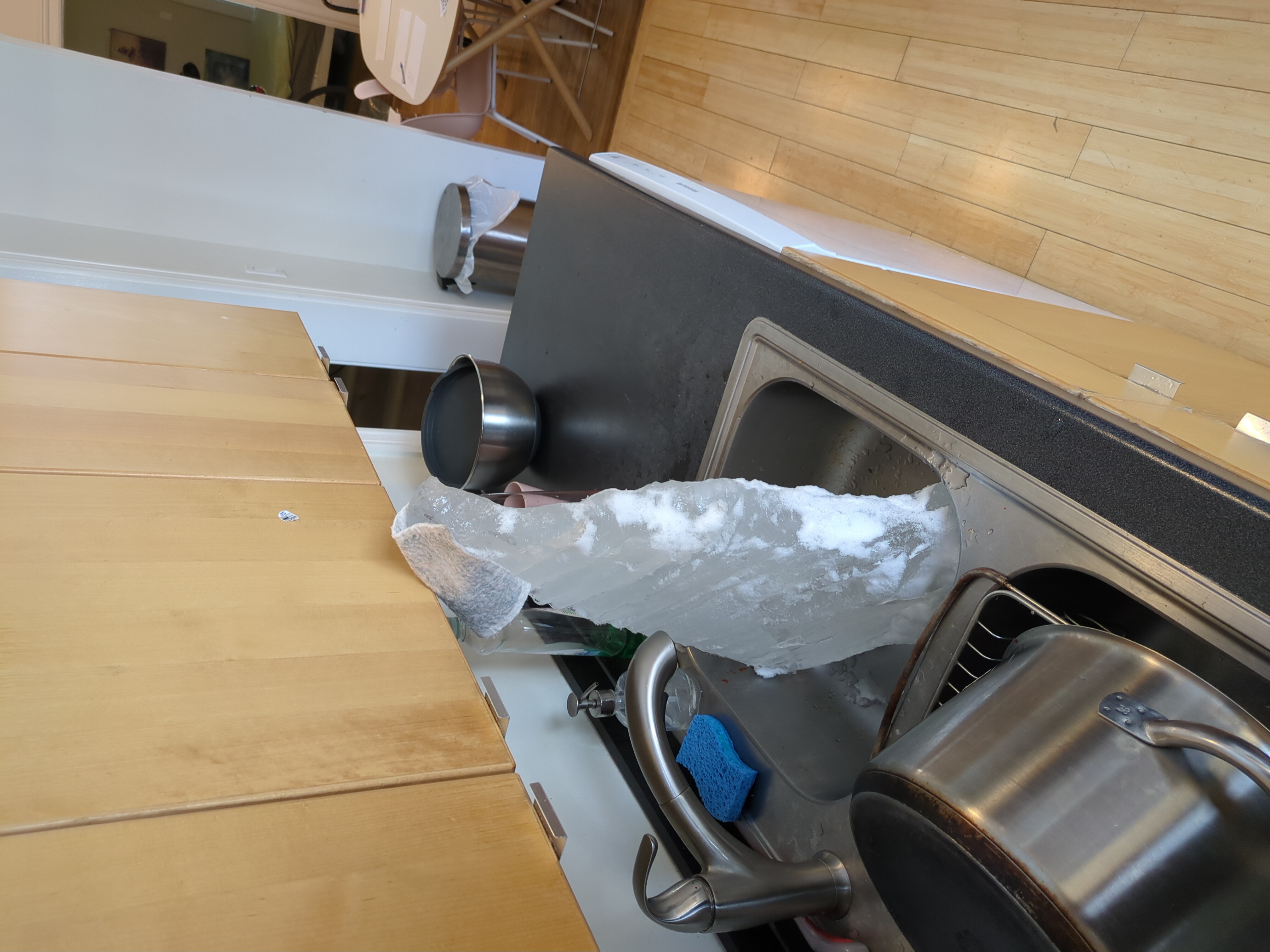
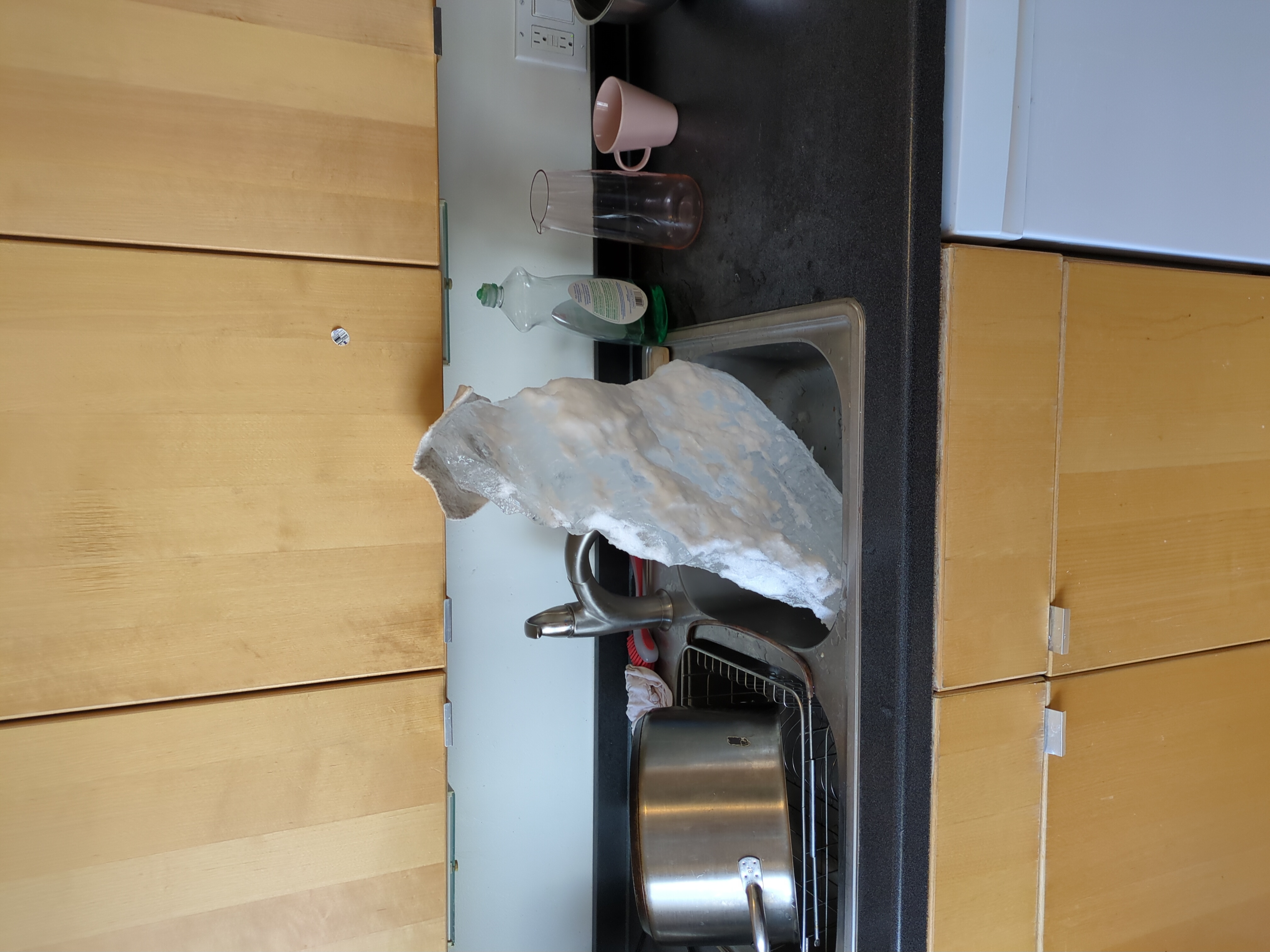
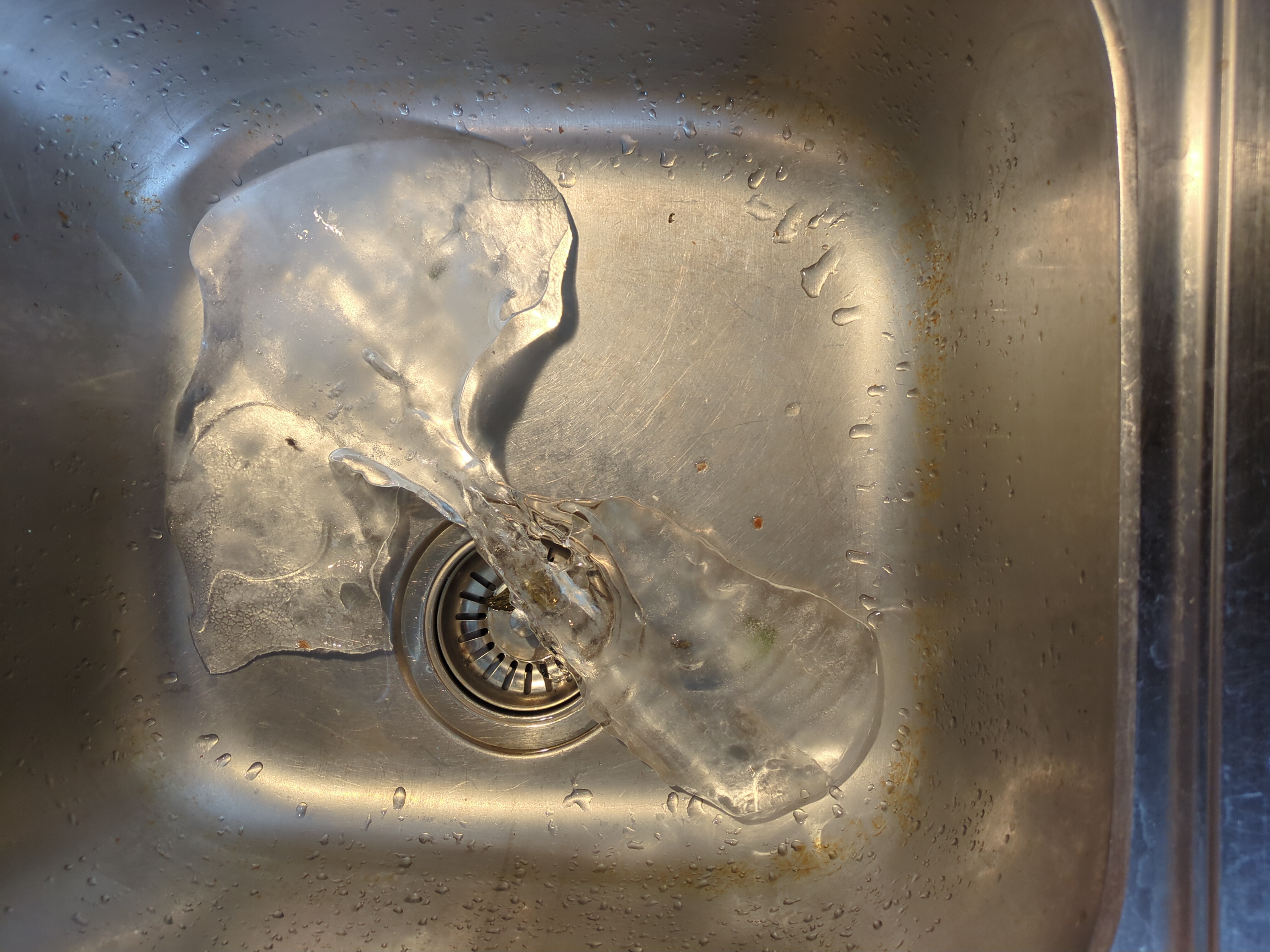
@lyse Still melting! An irregular chunk of ice at the bottom of a metal sink.

In reply to: #3vtnszq 1 year ago
falsifian (www.falsifian.org)

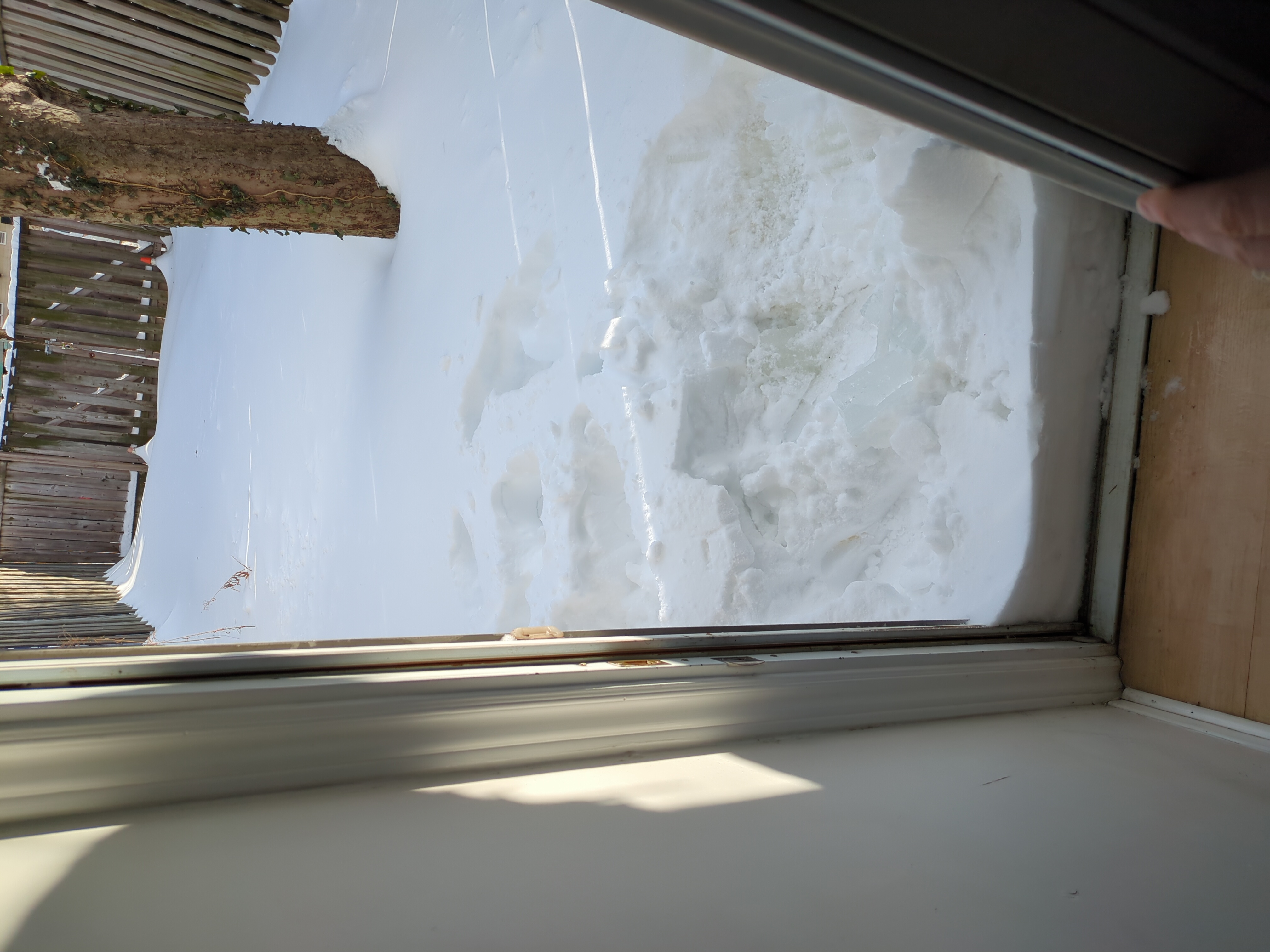
@sorenpeter Sorry, I realized that shortly after posting. Here's another attempt to post the images: A large, irregular block of ice in a kitchen sink. It is the top of a group of icicles. Another view of the large, irregular block of ice in a kitchen sink. An open door revealing snow packed neatly against where the door rests when closed.

In reply to: #3vtnszq 1 year ago
falsifian (www.falsifian.org)

@bender I try to avoid editing. I guess I would write 5/4, 6/4, etc, and hopefully my audience would be sympathetic to my failing.

Anyway, I don't think my eccentric decision to number my twts in the style of other social media platforms is the only context where someone might write 1/4 not meaning a quarter. E.g. January 4, to Americans.

I'm happy to keep overthinking this for as long as you are :-P

In reply to: #xmq2anq 2 years ago
falsifian (www.falsifian.org)

@bender @prologic I'm not exactly asking yarnd to change. If you are okay with the way it displayed my twts, then by all means, leave it as is. I hope you won't mind if I continue to write things like 1/4 to mean "first out of four".

What has text/markdown got to do with this? I don't think Markdown says anything about replacing 1/4 with ¼, or other similar transformations. It's not needed, because ¼ is already a unicode character that can simply be directly inserted into the text file.

What's wrong with my original suggestion of doing the transformation before the text hits the twtxt.txt file? @prologic, I think it would achieve what you are trying to achieve with this content-type thing: if someone writes 1/4 on a yarnd instance or any other client that wants to do this, it would get transformed, and other clients simply wouldn't do the transformation. Every client that supports displaying unicode characters, including Jenny, would then display ¼ as ¼.

Alternatively, if you prefer yarnd to pretty-print all twts nicely, even ones from simpler clients, that's fine too and you don't need to change anything. My 1/4 -> ¼ thing is nothing more than a minor irritation which probably isn't worth overthinking.

In reply to: #gctrz4q 2 years ago
falsifian (www.falsifian.org)

@prologic I'm not a yarnd user, so it doesn't matter a whole lot to me, but FWIW I'm not especially keen on changing how I format my twts to work around yarnd's quirks.

I wonder if this kind of postprocessing would fit better between composing (via yarnd's UI) and publishing. So, if a yarnd user types 1/4, it could get changed to ¼ in the twtxt.txt file for everyone to see, not just people reading through yarnd. But when I type 1/4, meaning first out of four, as a non-yarnd user, the meaning wouldn't get corrupted. I can always type ¼ directly if that's what I really intend.

(This twt might be easier to understand if you read it without any transformations :-P)

Anyway, again, I'm not a yarnd user, so do what you will, just know you might not be seeing exactly what I meant.

In reply to: #ovlagaa 2 years ago
falsifian (www.falsifian.org)

@prologic I wrote 1/4 (one slash four) by which I meant "the first out of four". twtxt.net is showing it as ¼, a single character that IMO doesn't have that same meaning (it means 0.25). Similarly, 3/4 got replaced with ¾ in another twt. It's not a big deal. It just looks a little wrong, especially beside the 2/4 and 4/4 in my other two twts.

In reply to: #slyb5qq 2 years ago
falsifian (www.falsifian.org)

@bender It's the experience of an ordinary person in a strange place where memories are disappearing with the help of the Memory Police. The setting feels contemporary (to the book's 1994 publication date) rather than futuristic, except for some unexplained stuff about memories.

In reply to: #t5sq5rq 2 years ago
Reply via email