søren peter mørch

falsifian (www.falsifian.org)

James Cook. Time-space trader and software hipster.

falsifian (www.falsifian.org)

@lyse Oops, I guess the new text is a bit obscure. If you follow the link, the text is a bit more explicit, but you still need to know what a lexical scope is. Anyway, this is part of Perl moving very carefully toward being UTF-8 by default while also not breaking code written in the 90s. If you name a recent version like "use v5.42;" then Perl stops letting you use non-ASCII characters unless you also say "use utf8;". The "lexically" part basically means that strictness continues until the next "}", or the end of the program. That lets you fix up old code one block at a time, if you aren't ready to apply the new strictness to a whole file at once.
In reply to: #nioi2ha 7 months ago
falsifian (www.falsifian.org)

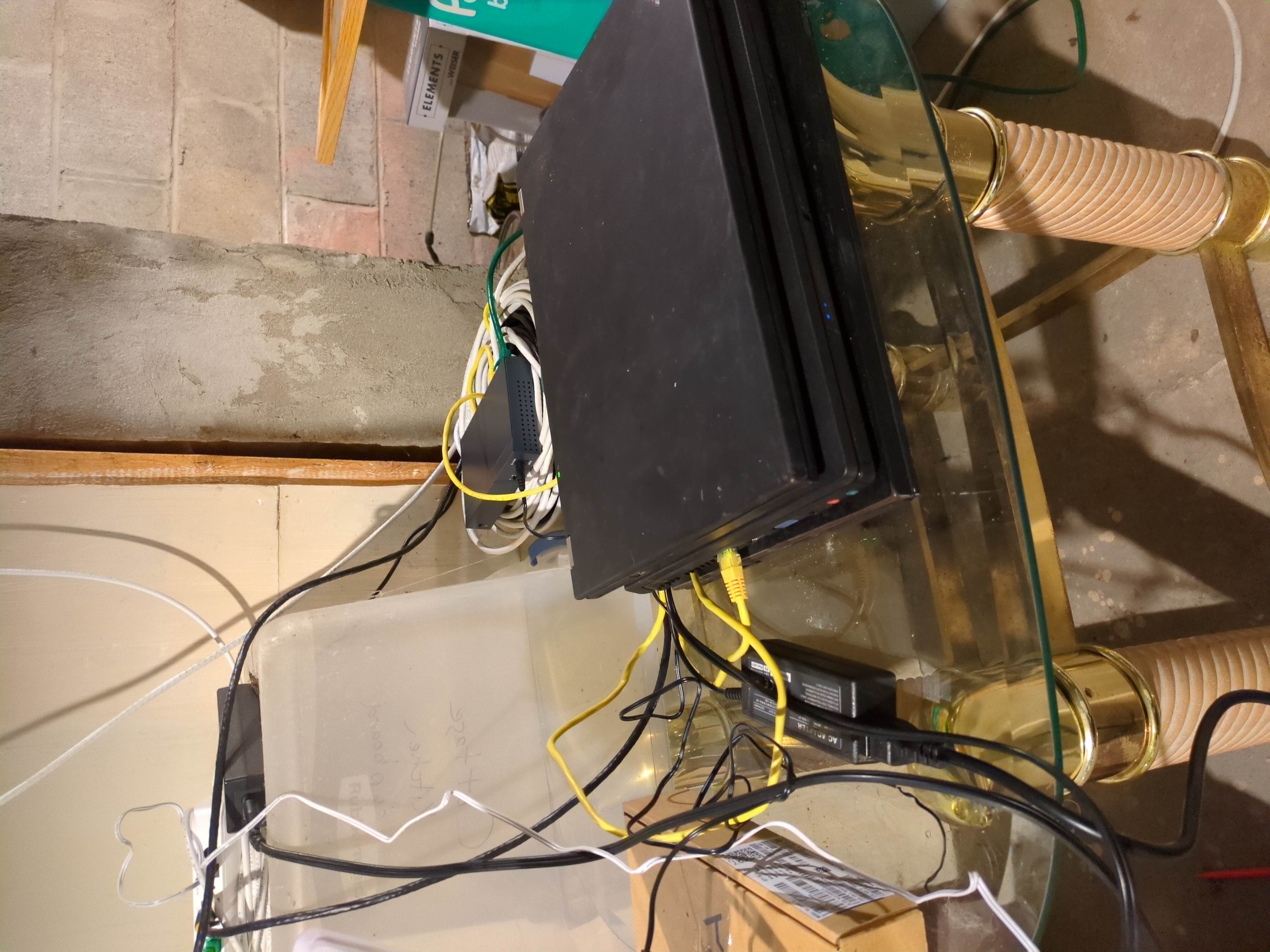
@prologic Here's mine. A pile of three laptops, a switch and a fibre modem connected by ethernet cables, sitting on a table in an unfinished basement.

In reply to: #jb5qaka 1 year ago
falsifian (www.falsifian.org)

@lyse I am a big fan of "obvious" math facts that turn out to be wrong. If you want to understand how reusing space actually works, you are mostly stuck reading complexity theory papers right now. Ian wrote a good survey: https://iuuk.mff.cuni.cz/~iwmertz/papers/m23.reusing_space.pdf . It's written for complexity theorists, but some of will make sense to programmers comfortable with math. Alternatively, I wrote an essay a few years ago explaining one technique, with (math-loving) programmers as the intended audience: https://www.falsifian.org/blog/2021/06/04/catalytic/ .

In reply to: #jd3p3nq 1 year ago
falsifian (www.falsifian.org)

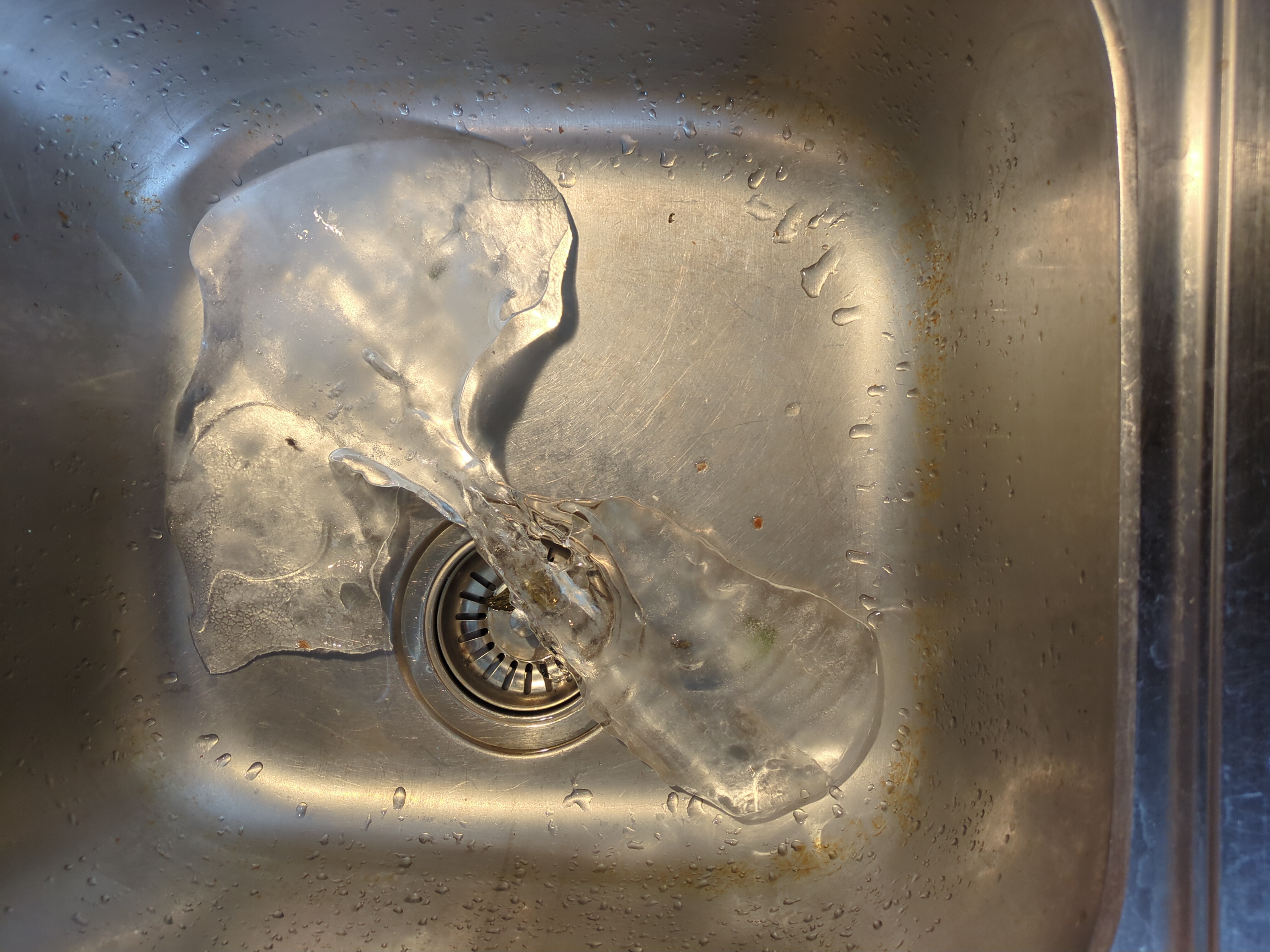
@lyse Still melting! An irregular chunk of ice at the bottom of a metal sink.

In reply to: #3vtnszq 1 year ago
falsifian (www.falsifian.org)

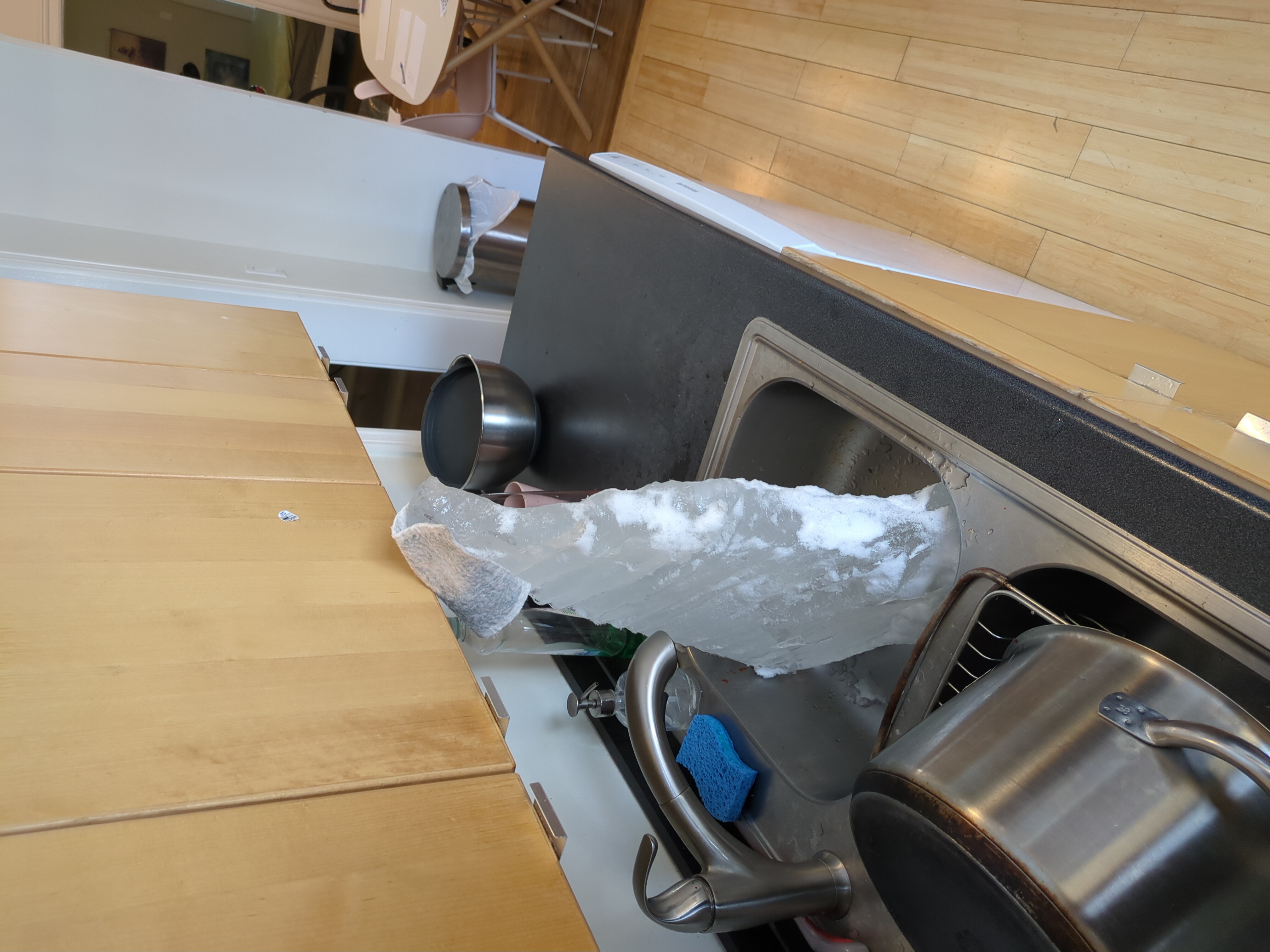
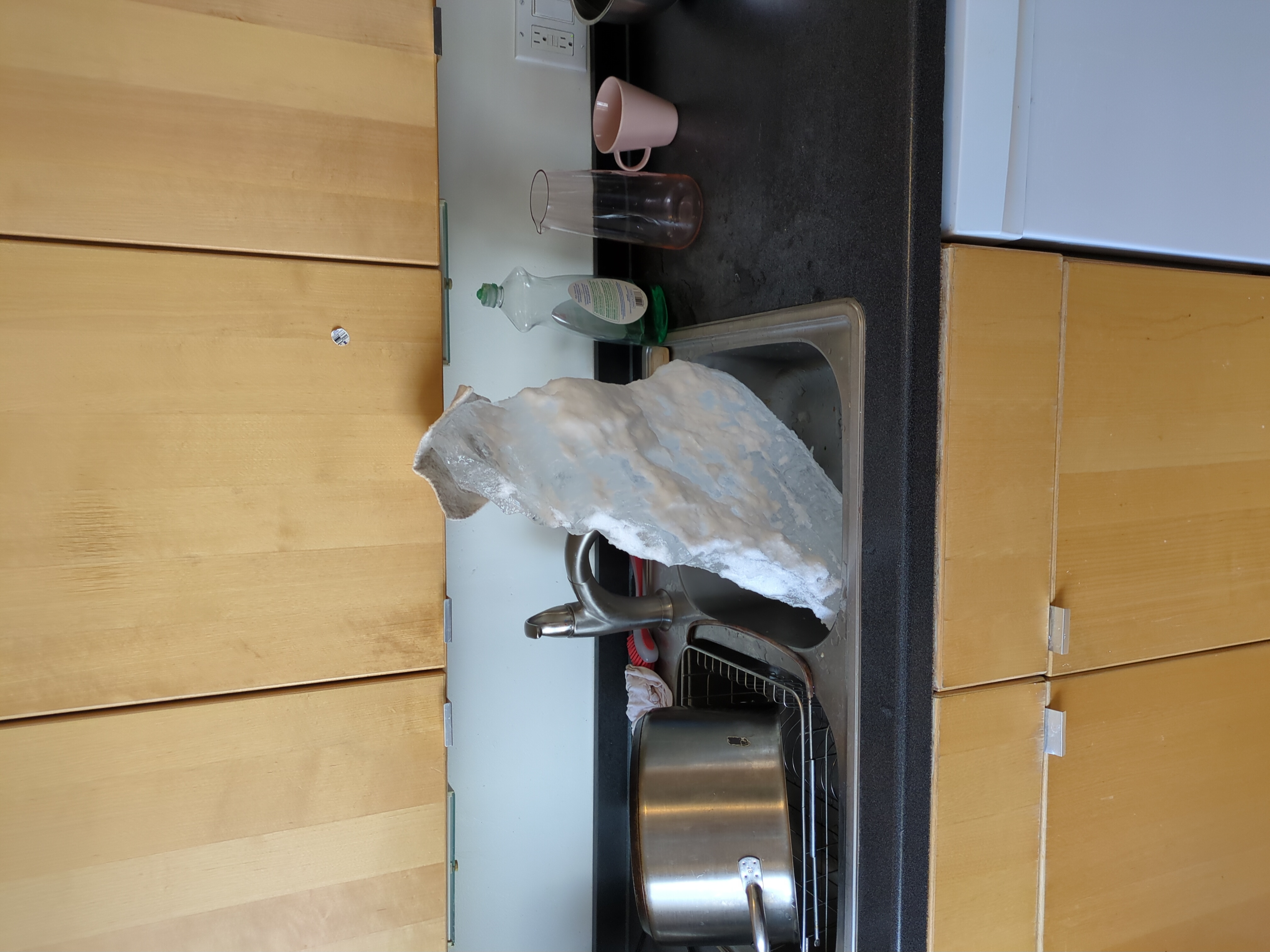
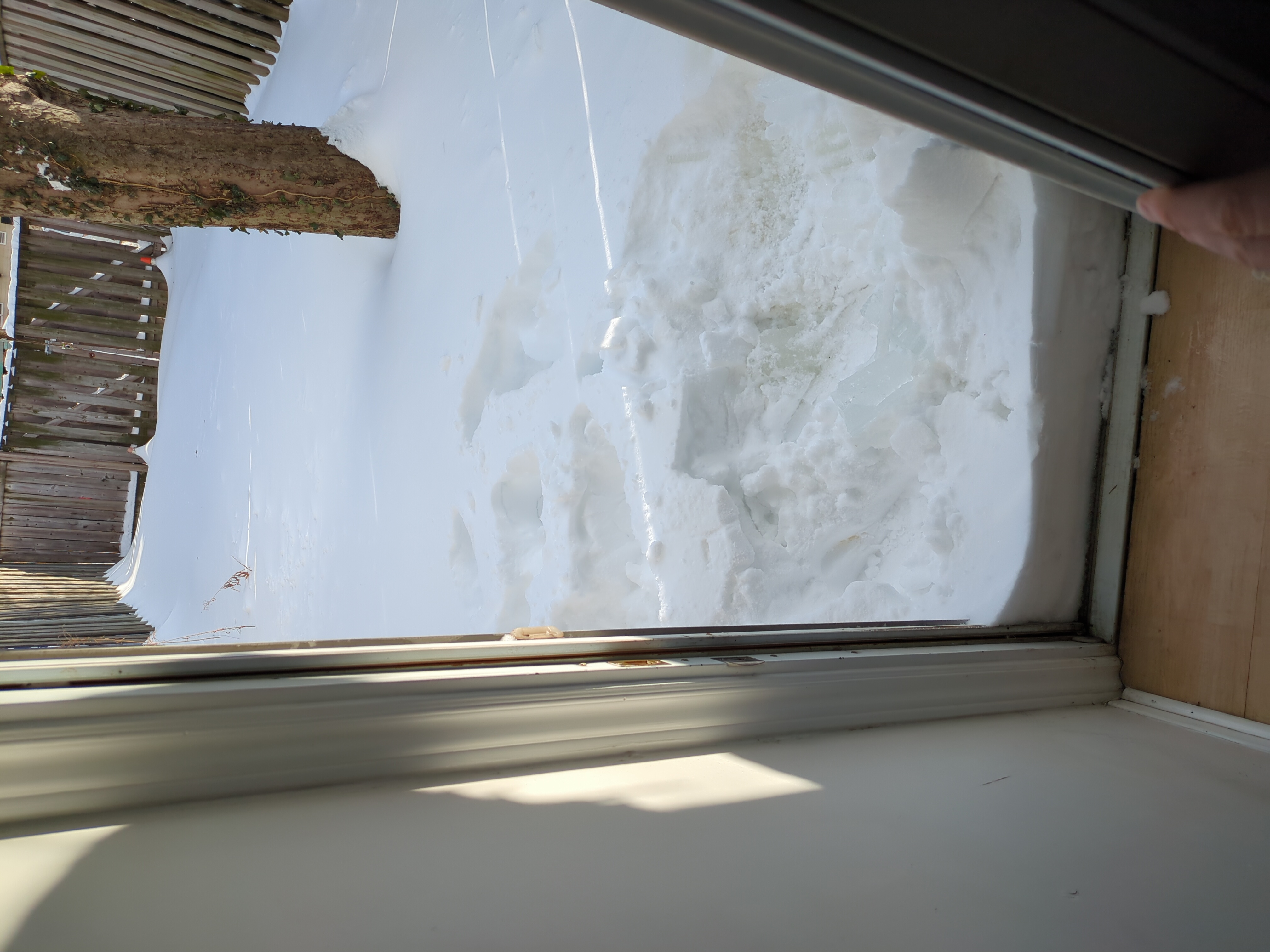
@sorenpeter Sorry, I realized that shortly after posting. Here's another attempt to post the images: A large, irregular block of ice in a kitchen sink. It is the top of a group of icicles. Another view of the large, irregular block of ice in a kitchen sink. An open door revealing snow packed neatly against where the door rests when closed.

In reply to: #3vtnszq 1 year ago
falsifian (www.falsifian.org)

@prologic Have you tried Google's robots.txt report? https://support.google.com/webmasters/answer/6062598?hl=en . I would expect Google to be pretty good about this sort of thing. If you have the energy to dig into it and, for example, post on support.google.com, I'd be curious to hear what you find out.

In reply to: #xbiyfxq 1 year ago
falsifian (www.falsifian.org)

@prologic I wrote 1/4 (one slash four) by which I meant "the first out of four". twtxt.net is showing it as ¼, a single character that IMO doesn't have that same meaning (it means 0.25). Similarly, 3/4 got replaced with ¾ in another twt. It's not a big deal. It just looks a little wrong, especially beside the 2/4 and 4/4 in my other two twts.

In reply to: #slyb5qq 2 years ago
falsifian (www.falsifian.org)

@prologic

See https://dev.twtxt.net

Yes, that is exactly what I meant. I like that collection and "twtxt v2" feels like a departure.

Maybe there's an advantage to grouping it into one spec, but IMO that shouldn't be done at the same time as introducing new untested ideas.

See https://yarn.social (especially this section: https://yarn.social/#self-host) -- It really doesn't get much simpler than this 🤣

Again, I like this existing simplicity. (I would even argue you don't need the metadata.)

That page says "For the best experience your client should also support some of the Twtxt Extensions..." but it is clear you don't need to. I would like it to stay that way, and publishing a big long spec and calling it "twtxt v2" feels like a departure from that. (I think the content of the document is valuable; I'm just carping about how it's being presented.)

In reply to: #rqg5cxa 2 years ago
falsifian (www.falsifian.org)

@prologic Thanks for pointing out it lasts four hours. That's a big window! I wonder when most people will be on. I might aim for halfway through unless I hear otherwise. (12:00Z is a bit early for me.)

In reply to: #yjv73uq 2 years ago
falsifian (www.falsifian.org)

@movq Yes, the tools are surprisingly fast. Still, magrep takes about 20 seconds to search through my archive of 140K emails, so to speed things up I would probably combine it with an indexer like mu, mairix or notmuch.

In reply to: #hpxs42q 2 years ago
Reply via email